

Egypt is one of the most amazing destinations in the world for those interested in history and culture. The UNESCO sites of Egypt contain ancient temples, pyramids, religious institutions, and natural landscapes of thousands of years' worth of civilization.
Walking through these heritage sites in Egypt is a great way to get in touch with historic landmarks in Egypt, travel to cultural attractions in Egypt, and learn about the stories behind the many famous monuments.
The sites in Egypt designated by UNESCO show off just how vital the past has been in shaping culture and history to the world. These preserved locations embody numerous time periods from the Egyptian civilization through to Christian and Islamic heritage; each place offering its own journey into the amazing developments that occurred from thousands of years of Human endeavor in art, religion, science, and architecture,
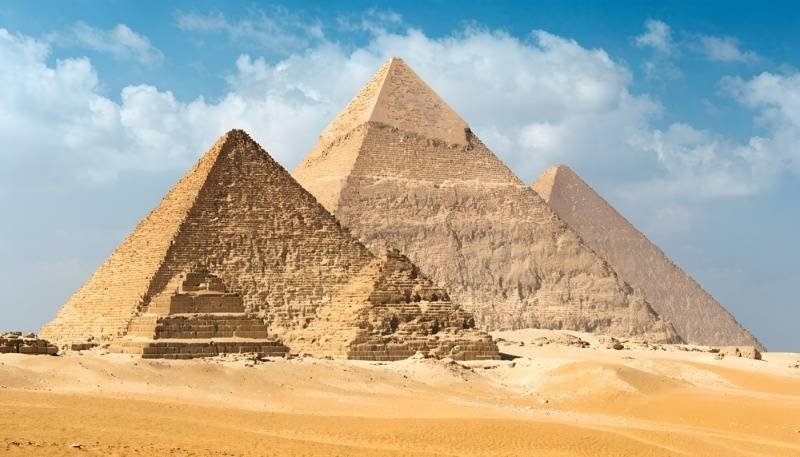
Memphis and its Necropolis is possibly one of the most recognized UNESCO sites in Egypt. This region holds archaeological sites of Giza, Saqqara, and Dahshur, amongst many others, that embody the origins of ancient Egyptian architecture.
The Great Pyramid is world-renowned and one of the seven wonders of the ancient world; alongside the Great Sphinx, it is the site of one of the most visited tourist attractions from around the world. Saqqara holds the very first stone pyramid built, the Step Pyramid, which demonstrates ancient beliefs in funerary architecture. The historic landmarks Egypt has left behind continue to demonstrate the burial traditions of pharaohs and the genius of early humans.
In Luxor, you will find the UNESCO archaeological sites that make up ancient Thebes and its necropolis; this ancient city was once the capital of ancient Egypt and today holds some of the greatest culture that Egypt has to offer on its streets in the form of temples and royal buildings.
In this location, you will find the Karnak Temple Complex: a grand spectacle of towering columns, ancient carvings, and fascinating religious buildings. Luxor Temple displays equally magnificent architecture. To be found on the West Bank is the Valley of the Kings; here you can find the tombs of many of Egypt's most famous rulers, including Tutankhamun himself. The historic landmarks Egypt offers are vital to understanding the nature of the pharaohs of ancient Egypt.
Perhaps the most majestic of the famous monuments Egypt has to offer are the Nubian Monuments from Abu Simbel to Philae. Built during the most prolific empires in Egyptian history, these monuments show the brilliance of craftsmanship from a powerful and creative civilization.
The two monuments of Abu Simbel house colossal statues of Ramses II amongst many other detailed figures, whilst the Temple of Philae displays intricate designs dedicated to the goddess of the same name.
The temples were famously moved during the Aswan High Dam project to preserve them. These are essential Egyptian heritage sites that also demonstrate human ingenuity when dealing with immense conservation problems.
Another impressive UNESCO heritage site located in Egypt is Historic Cairo. This incredible place celebrates the Islamic aspects of Egypt's long and rich history, from mosques and mausoleums to the bustling life that now runs through the ancient markets.
While still part of a listed UNESCO site, this feels like a more immediate way to discover the history that Egypt holds up to the world; walk down Al-Muizz Street to appreciate wonderful historical buildings, or lose yourself in the maze of booths of Khan El Khalili. Among a range of cultural attractions Egypt has to offer, this is particularly striking with the combination of past and present.
In the Sinai Peninsula of Egypt, you can find the Saint Catherine Area, a culturally and religiously significant place. It contains one of the most historically significant religious sites in the world: Saint Catherine's Monastery, the oldest working monastery still on the planet. It contains a number of important manuscripts, religious art and relics from early Christian societies and is naturally enhanced by the mountainous and somewhat stark Sinai landscape that surrounds it.
A different type of UNESCO heritage site but no less significant, the Wadi Al Hitan translates to ‘Valley of the Whales.’ This impressive UNESCO site takes you from the realm of historical buildings into one dedicated to demonstrating the long and complex process of evolution, for fossils from the early aquatic and land whales that inhabit and populate this now sandy desert landscape can be found here in large numbers. The historic landmarks Egypt has to offer span further than ancient Egypt, and this location is a fantastic demonstration of this.
Here are some helpful tips for visiting UNESCO sites in Egypt:
The UNESCO World Heritage Sites in Egypt provide an amazingly varied array of interesting facts, eras, and experiences throughout Egyptian history. There are pyramids from the time of the Pharaohs to significant Islamic buildings and natural parks that hold the keys to how Earth and its creatures have evolved.
You get to experience a whole new history at these sites and immerse yourself in the human innovation that has gone into shaping Egypt as we know it today. The historic landmarks Egypt has to offer will truly amaze you, as they present a unique glimpse into our world today and our past, simultaneously.
Some of the most famous UNESCO World Heritage sites in Egypt include the Great Pyramid area, Ancient Thebes with its Tombs and Necropolis, Abu Simbel (as an ensemble), Historic Cairo, and the Saint Catherine Area. It became popular thanks to its unique historical significance and cultural value, along with an exceptional architectural style.
Egypt currently boasts 7 listed UNESCO World Heritage sites: three cultural and four nature designations. All 7 reflect Egypt’s long and deep-seated history as the birthplace of multiple ancient civilizations and its rich architectural, religious, and natural heritage.
Generally, the autumn and winter months (from October to April) are the most agreeable, especially if you plan to explore the country's many heritage sites on the open ground, such as the various temples, ruins, and the desert oases and plains.
A wide range of egyptian heritage sites are considered to be family-friendly and offer an awesome learning opportunity to kids through exploration and an imaginative journey back in time with the pyramids and ancient tales for an unforgettable expedition.
Not mandatory; the guided tour adds special insights to your exploration. Our tour guides will be able to tell you the stories behind each structure or excavation site, as well as historical details that most visitors normally miss.
This content was created by AI